ITINERARY INSPIRATION
From the neon city of Tokyo to the ancient traditions of Kyoto, our Asia travel specialists will create the itinerary of a lifetime for your tailor-made luxury Japan holidays.


A THRILLING ADVENTURE THROUGH TIME
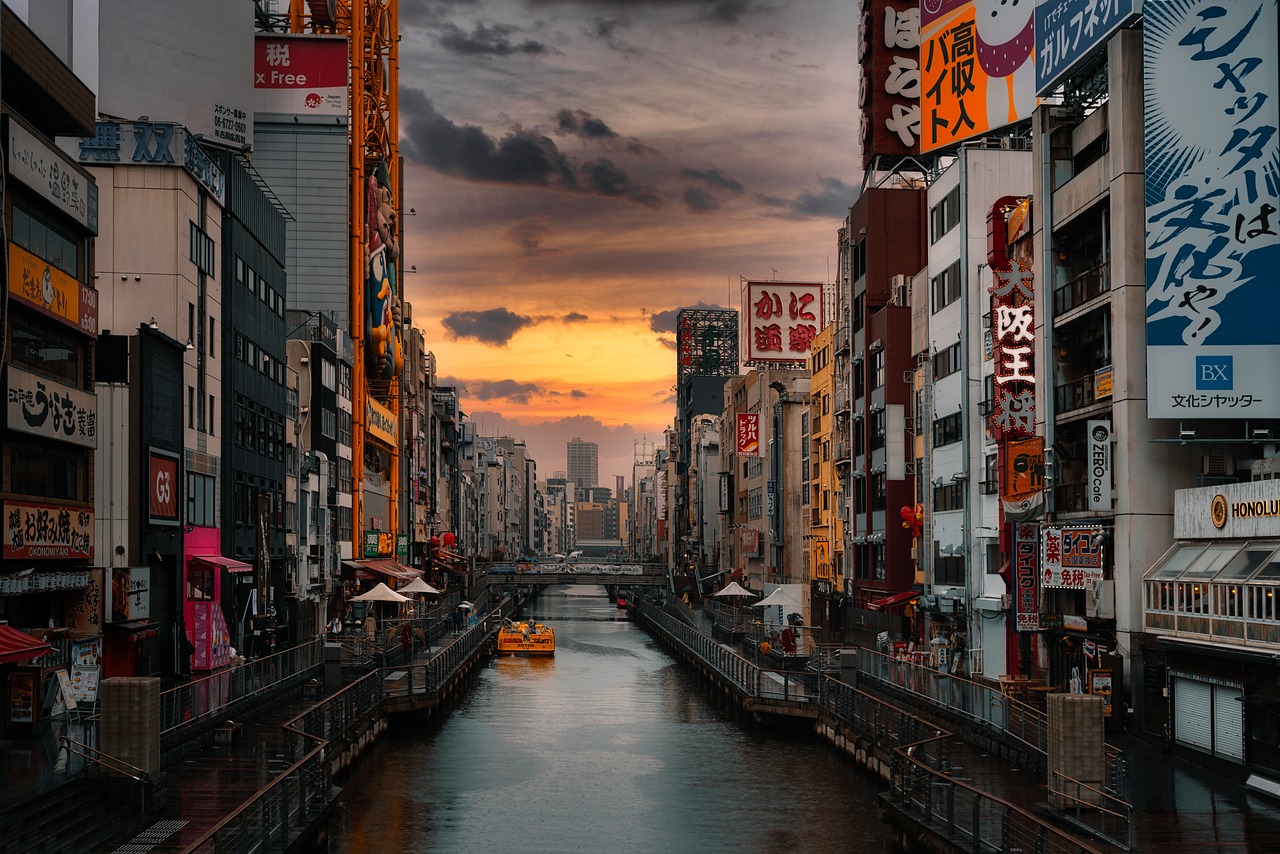
A land where the future unfolds before you, yet every step echoes with the whispers of a time long past. Alive with towering neon-lit streets, sacred ancient temples, blooming cherry blossoms and delicate culinary delights, it is no surprise that Japan is celebrated as one of Condé Nast’s top travel destinations, with countless travellers eager to experience its wonders, mysteries, and unique spirit.
From the infectious energy of Tokyo, one of the largest and most dynamic cities in the world, to the ornate temples and tranquil tea houses of Kyoto, Japan is a country of contrasts, where surprises await at every turn.
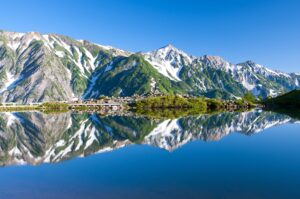
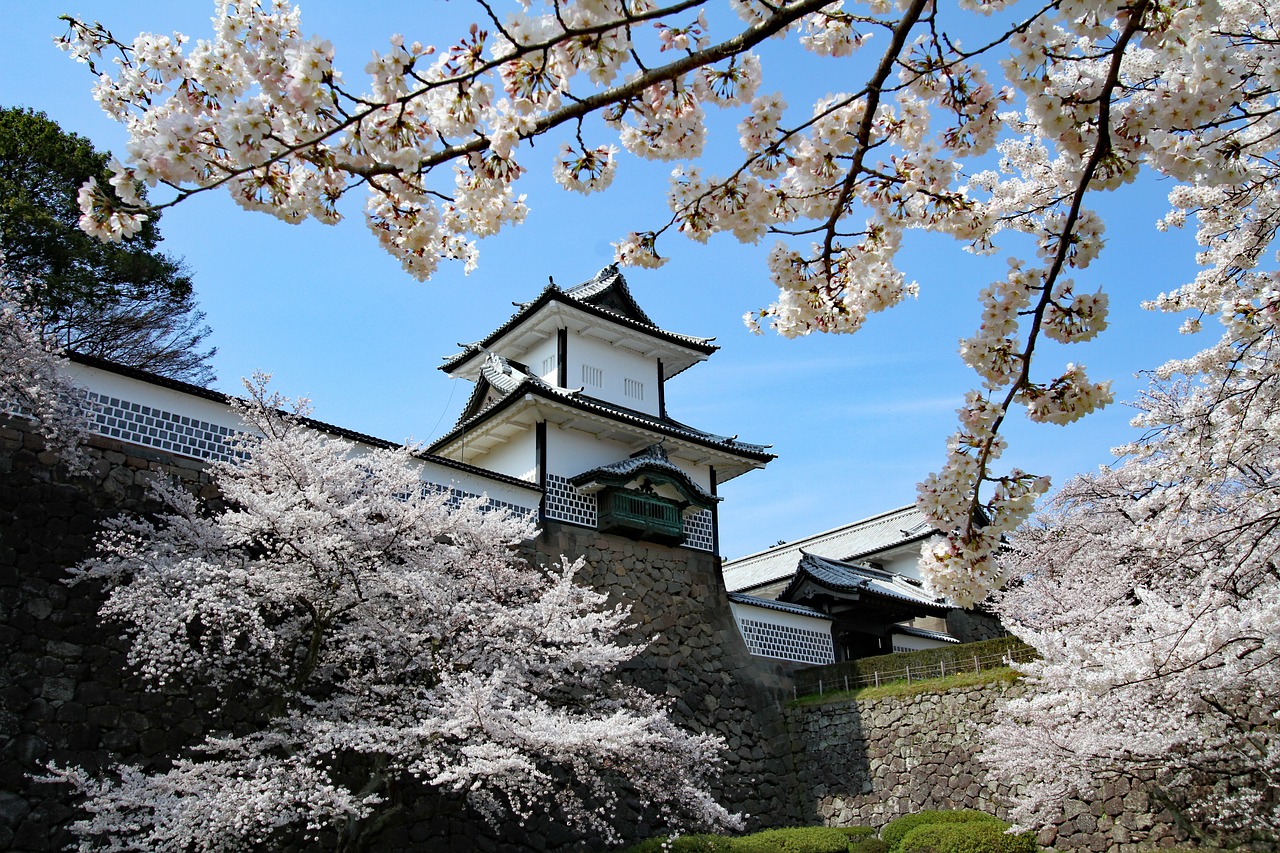
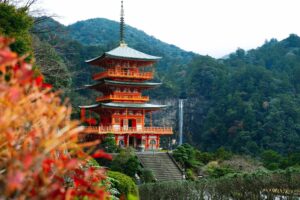
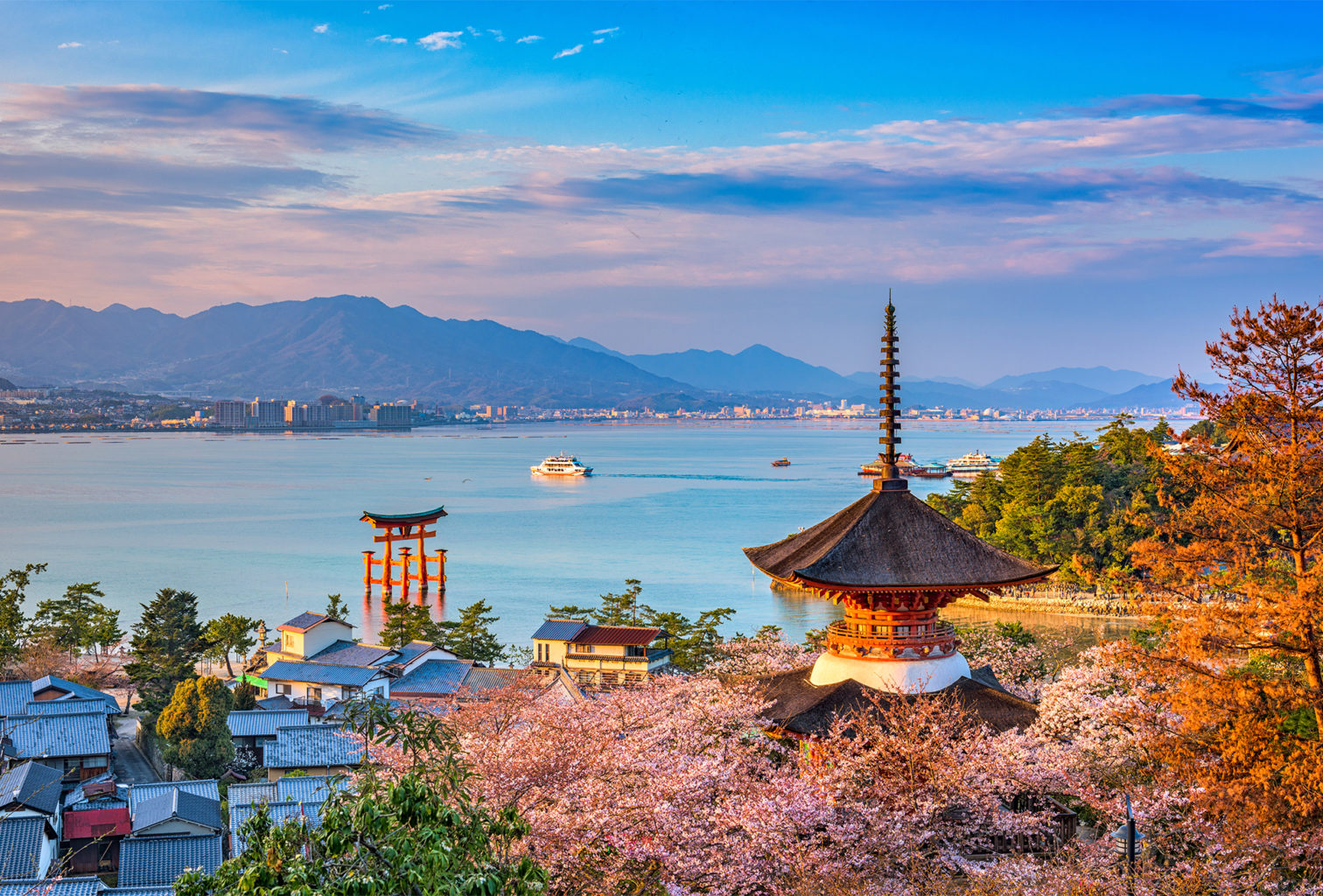
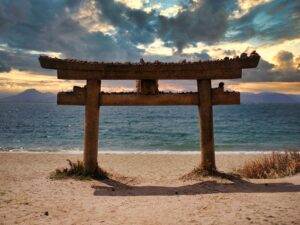
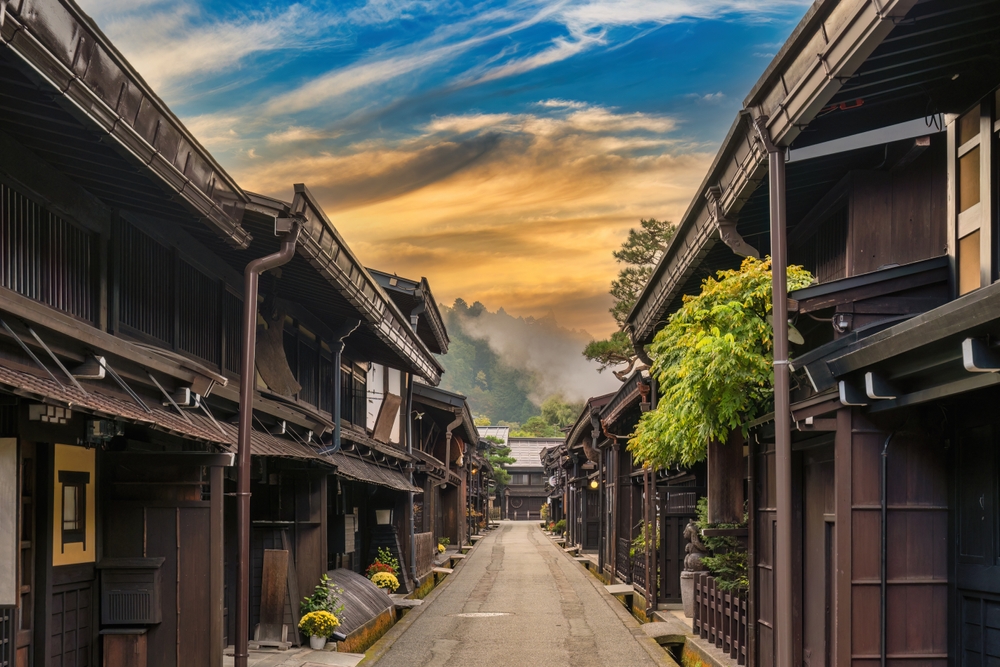
With a tailor-made holiday, you can explore the very best of Japan at your own pace. For those wishing to delve deeper into its ancient past, you can visit the Edo-era merchant houses of Takayama, a city nestled in the shadow of the Japanese Alps, the beautifully preserved samurai and geisha districts of Kanazawa, and the famous ‘floating’ torii gate of Miyajima, the revered ‘shrine island’.

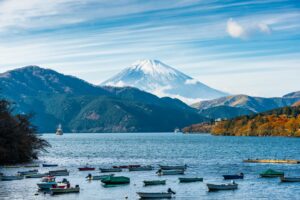
There is truly something for everyone on a luxury holiday to Japan. Food lovers can indulge in the culinary delights of Osaka, Japan’s unofficial ‘food capital’, while those seeking relaxation can unwind in the soothing onsen baths of Hakone, surrounded by volcanic landscapes and spectacular views of the snow-capped Mount Fuji.
Art enthusiasts will be drawn to Naoshima, often called ‘Art Island’ for its world-class modern art galleries and striking outdoor exhibits. For avid walkers, the enchanting Kiso Valley is a must-see, offering access to the fabled ‘Nakasendo Way’ and the ancient pilgrimage trails of Kumano Kodo.
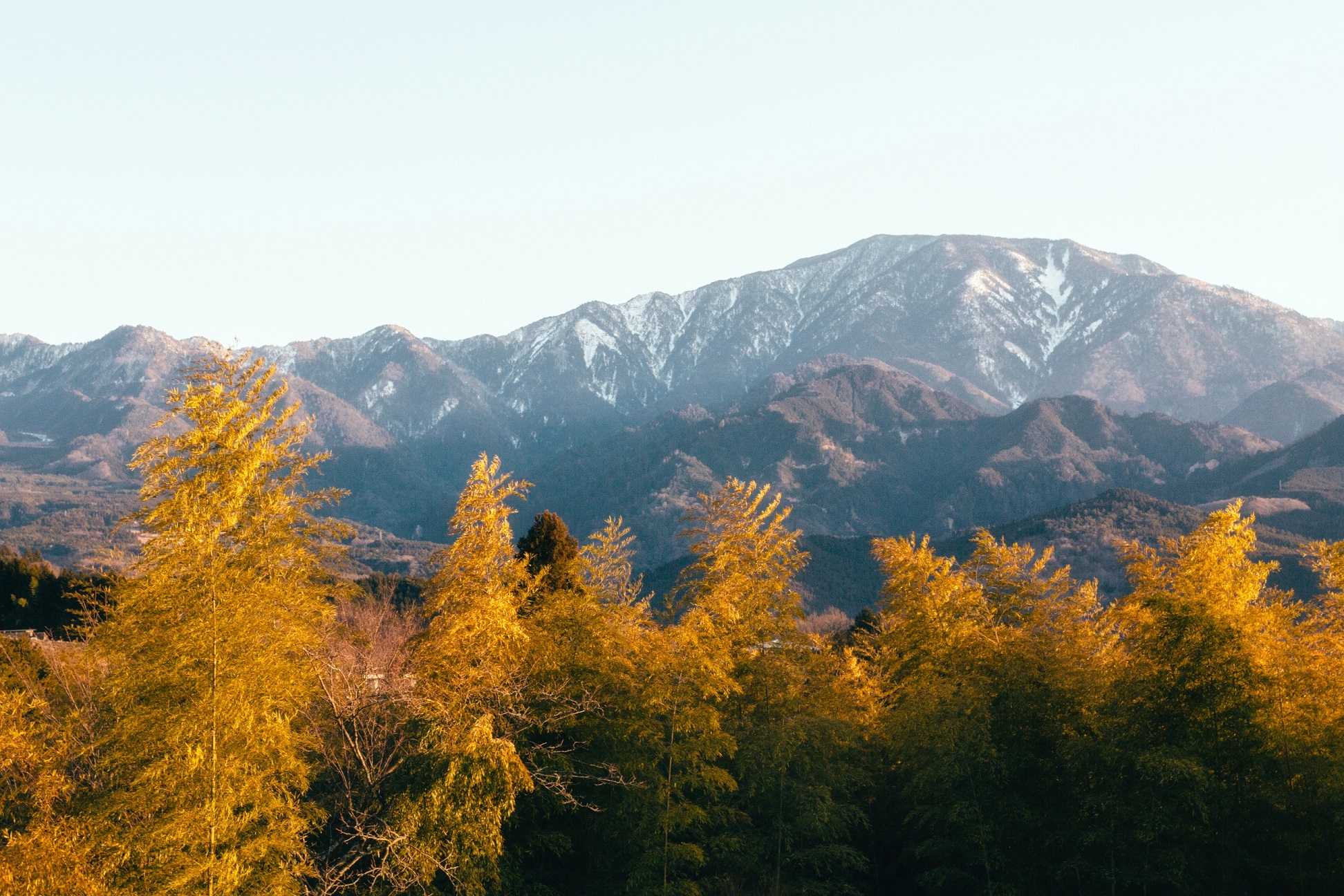
Capturing the heart of all who travel to its shores, Japan is especially magical in the spring and autumn months, where cherry blossoms blanket the country in a delicate palette of pinks, or the autumnal foliage brings the landscapes alive in vibrant hues of red and gold.
Speak to our Asia travel specialists today and they will start planning your luxury Japan holidays in 2025, 2026 and 2027.



OUR FAVOURITE HOTELS
WHEN TO VISIT JAPAN


Japan
- FLIGHT (FROM LDN)11.5 hrs (Indirect)
- CURRENCYJapanese Yen
- POPULATION125.7 Million
- BEST TIME TO VISIT JAPANMar – May, Oct – Nov
- LANGUAGEJapanese
- TIMEZONEGMT + 9
- CAPITAL CITYTokyo
- GEOGRAPHIC SIZE377,973 km²
DESTINATION SPECIALISTS
Dan
Rob
Our Central & East Asia travel specialists answer your most asked questions, sharing practical insight on how we shape a Japan journey around you.
Which season would you recommend the most: Cherry Blossom or Autumn Leaves. Which are the best dates for each season?
If you want a brief, electric moment that feels celebratory, choose spring. If you prefer steadier colour, cooler days, and a more reflective pace, autumn often wins. We can help you time either, and shape the route to catch the best displays without chasing crowds. Each year they release a forecast in advance of these popular seasons, to give predictions of the best dates for the peak bloom or foliage. Generally, in the golden route, the first blossom appears around 20th March and the full bloom tends to last for around one week, from the 30th March until end of the first week of April. The full foliage forecast for the best time to experience the Autumn leaves, is normally towards the end of November and pushing into the first week of December. This can change slightly year or year, but we would hope that you would have a decent exposure and a fantastic experience if you roughly followed these basic guidelines.
What is the “Golden Route” and can it be customised?
The Golden route refers to the most visited areas of Japan, usually including Tokyo, Kyoto, Osaka and Hakone. This itinerary works well for first time visitors and those with a limited time frame, however for those travellers with longer to play with we can of course customise any itinerary to include other areas like Kanazawa, Takayama, and Hiroshima in Honshu, or further afield to more remote areas like Hokkaido or Kyushu.
How much does a 10–14 day luxury tailor-made holiday cost?
As a guideline, we typically suggest holiday prices starting at approximately £6k per person for a 10-14 day itinerary, based on two travellers sharing a room. This price would not include international flights, which would be added to this cost.
What is the difference between a 5-star hotel and a luxury Ryokan?
The distinction between luxury Ryokan and more conventional 5-star hotels is more a contrast in their philosophy, rather than a massive difference in the luxury they offer. Hotels tend to offer a more familiar experience, with western style rooms, modern comforts and amenities, more varied dining options, and quite a typical style of hospitality. Ryokan, by contrast, offer a far more traditional Japanese cultural experience, with tatami mat floors, often Japanese -style futon beds (although many now often a more familiar style of western bedding as an alternative), kaiseki-style meals, which are usually included and served at fixed times, and a more attentive and personalised style of hospitality – often referred to as Omotenashi. There is usually a specific host assigned to you upon arrival.
Is the “Gran Class” Bullet Train worth it?
Whilst Ordinary Class is perfectly comfortable, Green or Gran Class (the name depends on the route) the equivalent of first class, will give you access to a larger seat, a footrest and more space between the seats (a nice feature when you want to stretch out your legs on a long journey).
Can you arrange private, after-hours access to temples or gardens?
In Japan, there are certain rigid rules and systems in place that cannot be avoided. In some cases, we can arrange private and/or out-of-hours access to certain experiences – usually at a substantial cost. In many other cases, such requests are reserved for VIPs and dignitaries and are not made available to the public.
How do we handle luggage between cities i.e akkyubin luggage forwarding service?
Many travellers to Japan will ride on the bullet train (shinkansen) and other long-distance trains throughout their journey. Since 2022, the rules on luggage have become stricter and in general, we recommend bringing smaller suitcase sizes for smoother travel through Japan, where stations and trains can be especially busy.
You can bring up to two pieces of baggage on board free of charge. For each bag, the total of the length, width, and height must not exceed 250cm. Luggage pieces less than 160cm (sum of height x length x width) can be brought aboard without prior reservation and can be placed in front of you or in the overhead luggage rack. If you want to bring large luggage pieces (between 160cm – 250cm), you will have to pay a 1,000 yen fee per piece of luggage on the spot for it will be stored in the baggage compartment of the train. Anything above 250cm cannot be brought on the bullet trains. Please consider forwarding luggage between hotels (further details below) and bringing smaller luggage when using the bullet trains.
If you prefer not to travel with luggage on trains, we recommend the use of Japan’s fabulous luggage forwarding service known as ‘takkuhaibin’. The cost of using takkuhaibin depends on the size and weight of the package and the destination, however for around 2,000-3,500 yen you can forward a bag between pretty much any two points in Japan. Concierge desks or reception desks at most hotels will be happy to assist with arranging this luggage transfer and collect payment. Please note that during busier times of year, it be may that only 48 hour and 72 hour services are available.
Do I need a private driver, or is the train better?
This depends on the journey in question. Private cars are usually very expensive in Japan, so we tend to limit them to airport transfers, some station to hotel transfers, and on certain sightseeing tours where needed. We always recommend train services for longer journeys. However, even in these cases, private cars and drivers can be discussed if clients wish.
Which Onsens are “Tattoo-Friendly” or offer private baths?
This tends to be less of a cultural taboo these days. However, there are some among the more traditional onsen that are more restrictive. If any clients are concerned, we would check specific rules and discuss how best to approach the matter with them, to put their mind at ease. Many of the ryokan that we recommend would have private onsen baths within your room or on a private balcony, where this would be of no concern.
Can you cater to specific dietary requirements (Vegan/Gluten-Free) in high-end Kaiseki?
Most dietary requirements can be catered for at ryokan offering kaiseki-style, provided clients let us know with enough time in advance. Those that are more rigid, we would tend to avoid with clients that have very specific or strict requirements.
Where are the “hidden gems” away from the crowds i.e. Kyushu, Tohoku, or the Seto Inland Sea?
Regions such as Hokkaido and Kyushu get a fraction of the visitor numbers, compared with the golden route, so are great for a quieter, more authentic experience, but the major drawback being that they do not have the same infrastructure to cope with tourism in the same way. Other more niche or specific locations and/or experiences that make worthwhile additions to any itinerary, include Matsumoto and the Old Nakasendo Way, the Kumano Kodo pilgrimage trail, overnight temple stays on Koyasan and Naoshima Art Island.
What are the best ski-in/ski-out luxury resorts in Niseko or Hakuba?
Niseko, also known as the Japanese Alps, offers some fabulous high-end options, including the Higashiyama Niseko Village – A Ritz-Carlton Reserve and the Park Hyatt Niseko, with a brand-new offering from Aman opening in 2030. For a more reasonably priced option, we suggest the Hilton Niseko. There are fewer high-end luxury options in Hakuba, Shiga Kogen, or generally in the Alpine region, but what we can suggest across the region are the Hakukuba Tokyu Hotel, the Hotel Grand Phenix Okushiga, or the Hoshino Resorts KAI Alps for a high-end ryokan experience.
How is the process to plan a tailor-made holiday to Japan and how far in advance should I start?
We try to recommend to clients that we make start on plans as much as a year in advance or as long as one can give. This is not so much because of a lengthy or overly complicated planning process, rather it ensures that we can secure preferred hotels, the best guides and specialist experiences.
What are the visa requirements for UK citizens?
A visa isn’t required for British Passport holders.
START PLANNING YOUR JOURNEY
TRUSTED BY FELLOW TRAVELLERS
We had a wonderful safari experience in South Luangwa, Zambia this September. Despite a few unexpected setbacks behind the scenes, everything ran seamlessly for us. Our driver and guide were outstanding, and the standard of accommodation was truly first class.
From the first conversation to the final day of our trip, Catherine and the team were helpful, efficient and easy to reach. Their recommendations not only improved our original plans but also made the whole holiday more cost-effective. Even when we needed assistance while away, their response was immediate. We wouldn’t hesitate to travel with them again.

DISCOVER MORE INDEPENDENT REVIEWS FROM FEEFO

INSPIRING STORIES
Be inspired by the stories of our Asia travel specialists for your luxury Japan holidays.